The Energies Market: A Complete Definition
Introduction
The energies market is the global system through which energy resources are produced, transported, traded, priced, and consumed. It is not a single marketplace but rather a network of interconnected physical and financial markets that coordinate the flow of energy from natural resources to end users.
At its core, the energies market determines how energy is supplied, how it is priced, and how it is delivered to economies and societies. It includes traditional fuels such as oil, natural gas, and coal, as well as electricity and rapidly expanding renewable sources such as solar, and bioenergy.
In modern economies, the energies market functions as a critical infrastructure for economic activity, industrial development, transportation, and household consumption. Because energy demand affects every sector of society, energy markets are among the most strategic and politically important markets in the world.
1. What Is the Energies Market?
The energies market refers to the global economic system in which energy commodities and energy services are produced, exchanged, priced, and delivered.
These markets include:
- Physical commodities (oil, gas, coal)
- Electricity markets
- Renewable energy generation
- Environmental and carbon markets
- Financial derivatives linked to energy prices
Unlike many other commodity markets, energy markets operate across multiple layers simultaneously:
- Physical production and extraction
- Transportation and infrastructure
- Wholesale commodity trading
- Financial hedging and derivatives
- Policy and regulatory frameworks
The combination of these layers makes the energies market one of the most complex market systems in the global economy.
2. The Main Energy Commodities
Energy markets are structured around several major energy commodities.
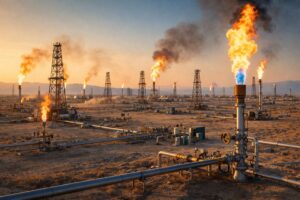
Oil
Oil remains the most widely traded energy commodity globally. It is used primarily for transportation fuels, petrochemicals, and industrial processes.
Key oil benchmarks include:
- Brent crude
- West Texas Intermediate (WTI)
- Dubai/Oman crude
Oil markets operate through global trading hubs, physical cargoes, and derivatives exchanges.
Natural Gas
Natural gas markets are structured around regional pricing hubs because gas transportation infrastructure limits global trade compared with oil.
Major gas benchmarks include:
- Henry Hub (United States)
- TTF (Europe)
- JKM (Asian LNG market)
Liquefied natural gas (LNG) has increasingly connected regional markets by enabling global shipping of gas.
Coal
Coal remains a major energy commodity in power generation and heavy industry, particularly in Asia. Despite long-term decarbonization policies, coal still supplies a significant share of global electricity.
Coal markets operate through both long-term supply contracts and spot trading.
Electricity
Electricity differs from other energy commodities because it cannot easily be stored at large scale. As a result, electricity markets must balance supply and demand in real time.
Electricity markets often include:
- Day-ahead markets
- Real-time markets
- Capacity markets
- Ancillary services markets
These mechanisms ensure grid reliability and efficient pricing.
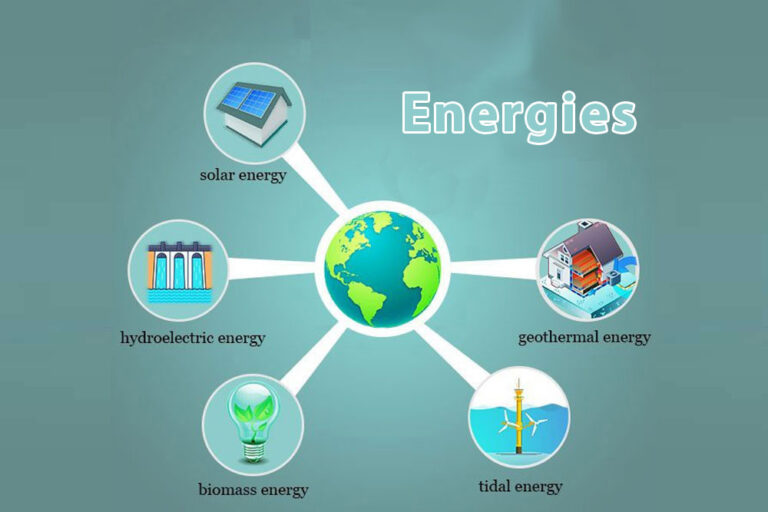
3. Renewable Energy Markets
Renewable energy has become one of the fastest-growing segments of the energies market.
Major renewable energy sources include:
- Solar power
- Hydropower
- Biomass
- Geothermal energy
Renewables differ from fossil fuels in that their fuel source is naturally replenished. However, they require capital-intensive infrastructure and grid integration.
Renewable energy markets are often supported by policy mechanisms such as:
- Feed-in tariffs
- Renewable portfolio standards
- Power purchase agreements
- Renewable energy certificates
4. The Energy Value Chain
Energy markets are organized through a value chain consisting of three main segments.
Upstream
Upstream activities involve the exploration and production of energy resources.
Examples include:
- Oil drilling
- Natural gas extraction
- Coal mining
- Geothermal exploration
Upstream activities require major capital investment and geological expertise.
Midstream
The midstream sector handles the transportation, storage, and processing of energy resources.
Typical infrastructure includes:
- Pipelines
- LNG terminals
- Storage facilities
- Tankers and shipping networks
Midstream infrastructure connects production sites with consumption centers.
Downstream
Downstream activities transform raw energy resources into usable products.
Examples include:
- Oil refining
- Fuel distribution
- Electricity generation
- Retail energy supply
This stage connects energy markets directly with consumers.
5. Financial Energy Markets
Beyond the physical trading of fuels, energy markets also include extensive financial trading.
These financial markets allow participants to:
- Hedge price risk
- Manage supply volatility
- Speculate on price movements
- Provide liquidity to the market
Energy financial instruments include:
- Futures contracts
- Options
- Swaps
- Structured derivatives
Energy futures are traded on major commodity exchanges such as the
Intercontinental Exchange and the
CME Group.
These markets enable producers, utilities, airlines, and industrial consumers to manage exposure to energy price fluctuations.
6. Energy Infrastructure
Energy markets depend on massive physical infrastructure networks.
Examples include:
- Oil pipelines
- LNG terminals
- Electricity transmission grids
- Storage facilities
- Ports and tanker fleets
Electricity infrastructure is particularly complex because it requires real-time balancing between generation and consumption.
Modern power systems increasingly integrate renewable generation and digital grid management technologies.
7. Environmental and Carbon Markets
In recent decades, environmental policy has introduced new market mechanisms linked to energy.
Carbon markets aim to reduce greenhouse gas emissions by assigning a cost to carbon emissions.
Two major approaches are used:
Carbon Taxes
Governments impose a direct price on carbon emissions.
Cap-and-Trade Systems
Regulators set a cap on emissions and allow companies to trade emission permits.
Examples include the emissions trading system operated by the European Union.
Environmental markets also include renewable energy certificates that track the production of clean electricity.
8. Key Participants in the Energies Market
The energies market includes a wide range of participants.
Producers
Companies that extract or generate energy resources.
Examples include oil and gas companies, mining companies, and renewable developers.
Utilities
Electric utilities generate and distribute electricity to households and businesses.
Utilities often operate under regulatory frameworks that ensure reliable energy supply.
Traders
Commodity traders buy and sell energy resources in both physical and financial markets.
These participants provide liquidity and price discovery.
Governments and Regulators
Energy markets are heavily influenced by national policy, environmental regulations, and energy security strategies.
Government institutions often regulate market structures, environmental standards, and grid reliability.
Consumers
The final participants are households, businesses, and industries that use energy for transportation, manufacturing, heating, and electricity.
Consumer demand ultimately drives the entire market system.
9. Price Formation in Energy Markets
Energy prices are determined by a complex interaction of market forces.
Major factors include:
- Supply and demand
- Production costs
- Geopolitical risks
- Infrastructure constraints
- Weather conditions
- Government policies
- Technological change
Because energy is essential to economic activity, energy price volatility can have significant macroeconomic effects.
10. The Energy Transition
The global energies market is currently undergoing a structural transformation known as the energy transition.
This transition involves shifting from fossil fuels toward lower-carbon energy systems.
Major drivers include:
- Climate policy
- Technological innovation
- Renewable energy cost reductions
- Electrification of transport and industry
- Energy security concerns
Investment in clean energy technologies has expanded rapidly over the past decade.
However, fossil fuels continue to play a major role in global energy supply, meaning the transition is expected to unfold over several decades.
11. Why the Energies Market Matters
Energy markets play a central role in global development and economic stability.
They influence:
- Industrial production
- Transportation systems
- National security
- Inflation and economic growth
- Environmental sustainability
Because energy underpins almost every economic activity, changes in energy markets can affect the entire global economy.
Conclusion
The energies market is a vast and interconnected system that links natural resources, infrastructure, financial markets, government policy, and global consumption.
Rather than functioning as a single marketplace, it operates as a multi-layered ecosystem involving producers, traders, utilities, regulators, and consumers.
As the world moves through the energy transition toward lower-carbon systems, the structure of these markets will continue to evolve. New technologies, policy frameworks, and investment patterns are reshaping how energy is produced, traded, and consumed.
Understanding the energies market is therefore essential for anyone studying global economics, infrastructure development, energy security, or environmental policy.